

Most of Charleston's museums sit along the Museum Mile, a mile-long stretch of Meeting Street. Start with The Charleston Museum for a broad introduction, the Gibbes for art, and the International African American Museum on the waterfront. Two or three museums is a comfortable day.
Important: Hours, admission and exhibitions change. Check each museum's official site before you go.
Which museum is right for you?
| Museum | Best for |
|---|---|
| The Charleston Museum | Broad Charleston and Lowcountry history |
| Gibbes Museum of Art | American art |
| International African American Museum | African American history and culture |
| Children's Museum of the Lowcountry | Families with children |
| Old Exchange and Provost Dungeon | Colonial and Revolutionary-era history |
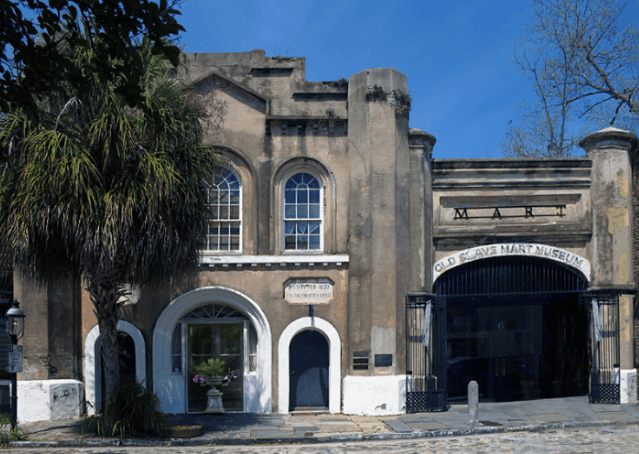
| Old Slave Mart Museum | The history of Charleston's domestic slave trade |
| Hunley Submarine | Civil War and submarine history |
Charleston has more museums than most cities its size, and they are unusually close together. That makes planning easier than it looks, provided you know what each one covers.
What is Charleston's Museum Mile?
A mile-long corridor along Meeting Street, running from the Visitor Center to the Nathaniel Russell House. It includes six museums, five historic houses, four parks and a Revolutionary War powder magazine.
The Museum Mile is the reason a museum day in Charleston works. Most of what you would want to see sits along one street, so you can walk between stops rather than moving the car.
Participating sites have included the Aiken-Rhett House, The Charleston Museum, the Children's Museum of the Lowcountry, the Joseph Manigault House, the Gibbes Museum of Art, the Old Slave Mart Museum, the South Carolina Historical Society Museum, the Old Exchange, the Heyward-Washington House, the Nathaniel Russell House and the Edmondston-Alston House.
The main museums
The Charleston Museum
Best for: Broad Charleston and Lowcountry history
Address: 360 Meeting Street
Founded: 1773, commonly regarded as America's First Museum
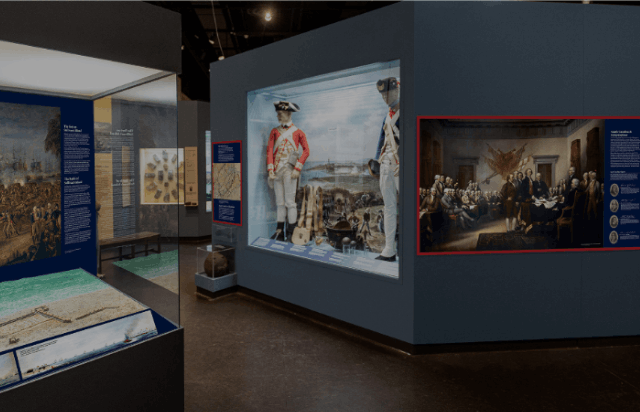
The Charleston Museum covers Lowcountry history and natural history from prehistory to the twentieth century. Exhibits include Lowcountry History Hall, Becoming Americans: Charleston in the Revolution, the Bunting Natural History Gallery, Kidstory, and the Loeblein Gallery of Charleston Silver.
If you are only visiting one museum and want a picture of the whole city, this is a logical place to start. It also operates two historic houses, the Heyward-Washington House and the Joseph Manigault House, which can be visited separately.
Gibbes Museum of Art
Best for: American art
Address: 135 Meeting Street
Opened: 11 April 1905
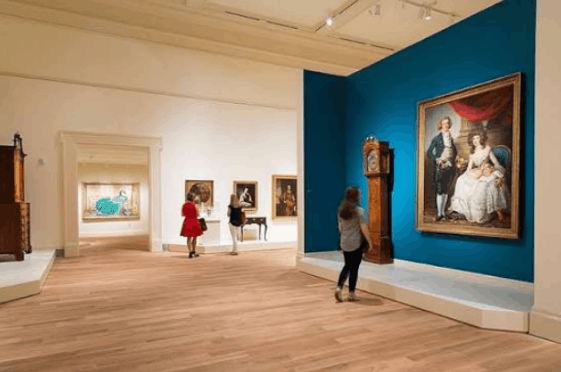
The Gibbes holds more than 10,000 American works, with a collection built around Charleston and the wider South. The Museum Mile identifies the Gibbes building as the oldest museum facility in the South.
It sits on the Museum Mile, a short walk from The Charleston Museum, which makes the two easy to pair in a morning.
International African American Museum
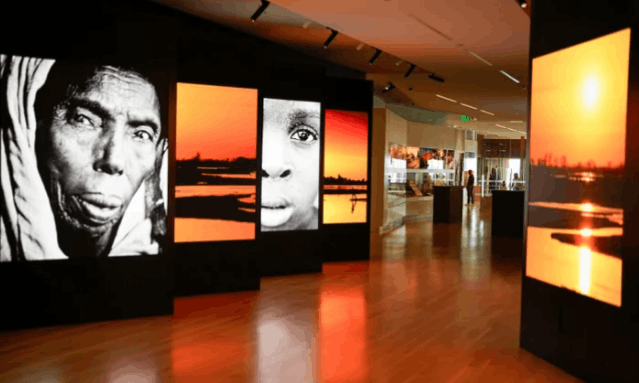
Best for: African American history and culture
Address: 14 Wharfside Street, on the site of Gadsden's Wharf
Opened: 27 June 2023
Suggested visit length: The museum recommends approximately 1.5 to 2 hours inside, plus 30 to 60 minutes for the African Ancestors Memorial Garden
IAAM stands on the site of Gadsden's Wharf, the port of arrival for nearly half of all enslaved Africans brought to North America. The museum tells the African American story from the transatlantic slave trade through to Gullah Geechee culture and the present day.
It also houses the Center for Family History, a genealogy research center, and the African Ancestors Memorial Garden outside by the water. The site itself is part of what the museum is about, so allow time for the garden as well as the galleries.
It is on the waterfront rather than the Museum Mile, next to the South Carolina Aquarium, so it works better as its own stop than as one of several in a row.
Old Slave Mart Museum
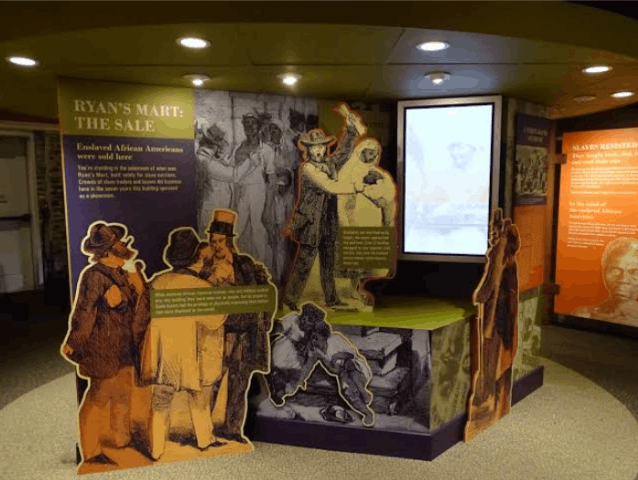
Best for: The history of Charleston's domestic slave trade
Address: 6 Chalmers Street
The building is the only remaining structure from a complex known as Ryan's Mart, where auctions were held from 1856 to 1863. It has operated as a museum since 1938 and describes itself as the first African-American slave museum. It was listed on the National Register of Historic Places in 1975.
The City of Charleston acquired the property in 1988 and operates the museum. The exhibits focus on Charleston's role in the domestic slave trade, drawing on documented accounts from buyers, traders and enslaved people.
It is text-heavy, so allow time to read rather than treating it as a quick stop.
Old Exchange and Provost Dungeon
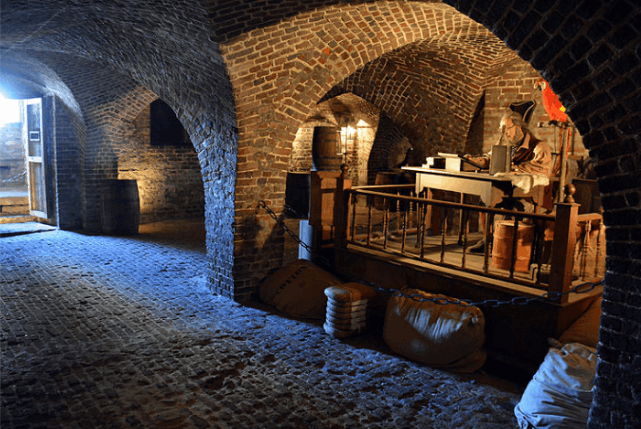
Best for: Colonial and Revolutionary-era history
Address: 122 East Bay Street
Built: 1771 as a commercial exchange and custom house
The Old Exchange was one of Charleston's central commercial and political buildings. During the Revolutionary War, the British Army used the cellar as a Provost Jail for prisoners. George Washington was entertained here.
The dungeon is the part most visitors remember, and it is the reason this one works for anyone who finds a gallery of objects hard going.
South Carolina Historical Society Museum
Best for: State history across six galleries
Location: The historic Fireproof Building, a National Historic Landmark
Six interactive galleries covering more than 350 years of South Carolina history, told through artifacts, personal items and handwritten accounts. The building itself is worth the visit, and it sits on the Museum Mile.
Children's Museum of the Lowcountry
Best for: Families with children
Exhibits: Nine hands-on exhibits including a two-story medieval castle, a pirate ship and an art room
Built for play rather than looking. Children explore art, science and the humanities through hands-on exhibits, which makes this the easiest museum in the city to visit with young children.
Adults must be accompanied by a child age 10 or younger to enter.
That rule is unusual and worth knowing before you turn up.
Hunley Submarine
Best for: Civil War and submarine history
Address: 1250 Supply Street, North Charleston
Access: Viewable on weekends
In 1864 the Hunley became the world's first combat submarine, then vanished. It was recovered and is now displayed in a conservation tank at the former Charleston Navy Base, alongside artifacts found on board during the excavation.
The Hunley is in North Charleston, not downtown Charleston, so plan for a drive or another form of transportation. It is also weekend-only, which catches people out.
Historic houses on the Museum Mile
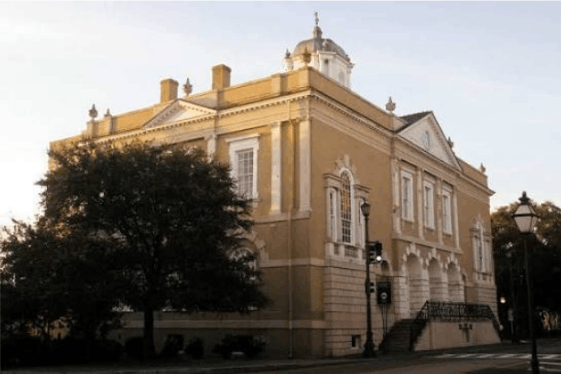
Alongside the museums, the Museum Mile includes five historic houses. They are guided rather than self-paced, which means they set their own timing.
The Nathaniel Russell House marks the southern end of the Museum Mile. The Aiken-Rhett House, the Joseph Manigault House, the Heyward-Washington House and the Edmondston-Alston House complete the set.
A house visit is a different experience from a museum visit. You see rooms rather than exhibits, and the tour runs at a fixed pace. One house alongside one museum makes a better afternoon than two museums back to back.
How many museums can you see in one day?
For a comfortable day, consider choosing two or three museums rather than trying to see everything. The Museum Mile makes it possible to build a day around several nearby sites, but visit length varies by museum and by visitor.
A workable pattern: one large museum in the morning, lunch, then either a second museum or a historic house in the afternoon.
IAAM is worth treating differently. The museum suggests one and a half to two hours inside plus another thirty to sixty minutes for the garden, so it fills most of a half day on its own.
If you are visiting with children, our guide to kid-friendly restaurants in Charleston covers where to eat between stops.
Getting around the museums
The Museum Mile is walkable along Meeting Street. IAAM is on the waterfront, a separate walk or short ride. The Hunley is in North Charleston and needs transport.
If you are staying downtown you can reach most of these on foot. Our guide on do you need a car in Charleston covers when a car earns its keep, and the downtown Charleston parking guide covers what parking costs if you drive.
Where to stay near the Museum Mile
Downtown, on the peninsula. The Museum Mile runs the length of Meeting Street, so a downtown base puts most of these museums within walking distance.
Our downtown Charleston vacation rentals are on the upper peninsula. Charleston vacation rentals that sleep 2 suit couples, and Charleston vacation rentals that sleep 4 work for families visiting the Children's Museum and the Aquarium.
Planning around the seasons? Our guide on when to visit Charleston compares the months. Not sure what fits your dates? Contact CHC Vacation Rentals.
Frequently asked questions
The Museum Mile includes six museums and five historic houses along its mile-long Meeting Street corridor, and there are more beyond it, including the International African American Museum on the waterfront and the Hunley in North Charleston.
Yes. The museum is currently open Tuesday through Sunday and closed Mondays. Check the official site for current hours.
A mile-long corridor along Meeting Street, running from the Visitor Center to the Nathaniel Russell House. It includes six museums, five historic houses, four parks and a Revolutionary War powder magazine.
If you want a broad introduction to Charleston and the Lowcountry, The Charleston Museum is a logical place to start. Founded in 1773 and commonly regarded as America's First Museum, it sits on the Museum Mile.
Some are. The Children's Museum of the Lowcountry is built for them, though adults must be accompanied by a child age 10 or younger to be admitted. The Charleston Museum has a hands-on children's exhibit called Kidstory.
For a comfortable day, consider choosing two or three museums rather than trying to see everything. The Museum Mile makes it possible to build a day around several nearby sites, but visit length varies by museum and by visitor.
Not for the Museum Mile, which runs along Meeting Street downtown and can be explored on foot. The Hunley is in North Charleston, so plan for a drive or another form of transportation.
Museum Mile Month takes place in January and offers a pass covering participating sites. Check The Charleston Museum for the current year's dates, participating locations and ticket rules.