






CHC Vacation Rentals gets the same question every summer: Is it safe to book a Charleston trip during hurricane season? The honest answer is yes, almost always, but knowing what to expect makes the difference between a relaxed booking and a stressful one.
Here is what actually happens, what rarely happens, and how to plan around it without canceling a trip you have been looking forward to.
When Is Hurricane Season in Charleston?
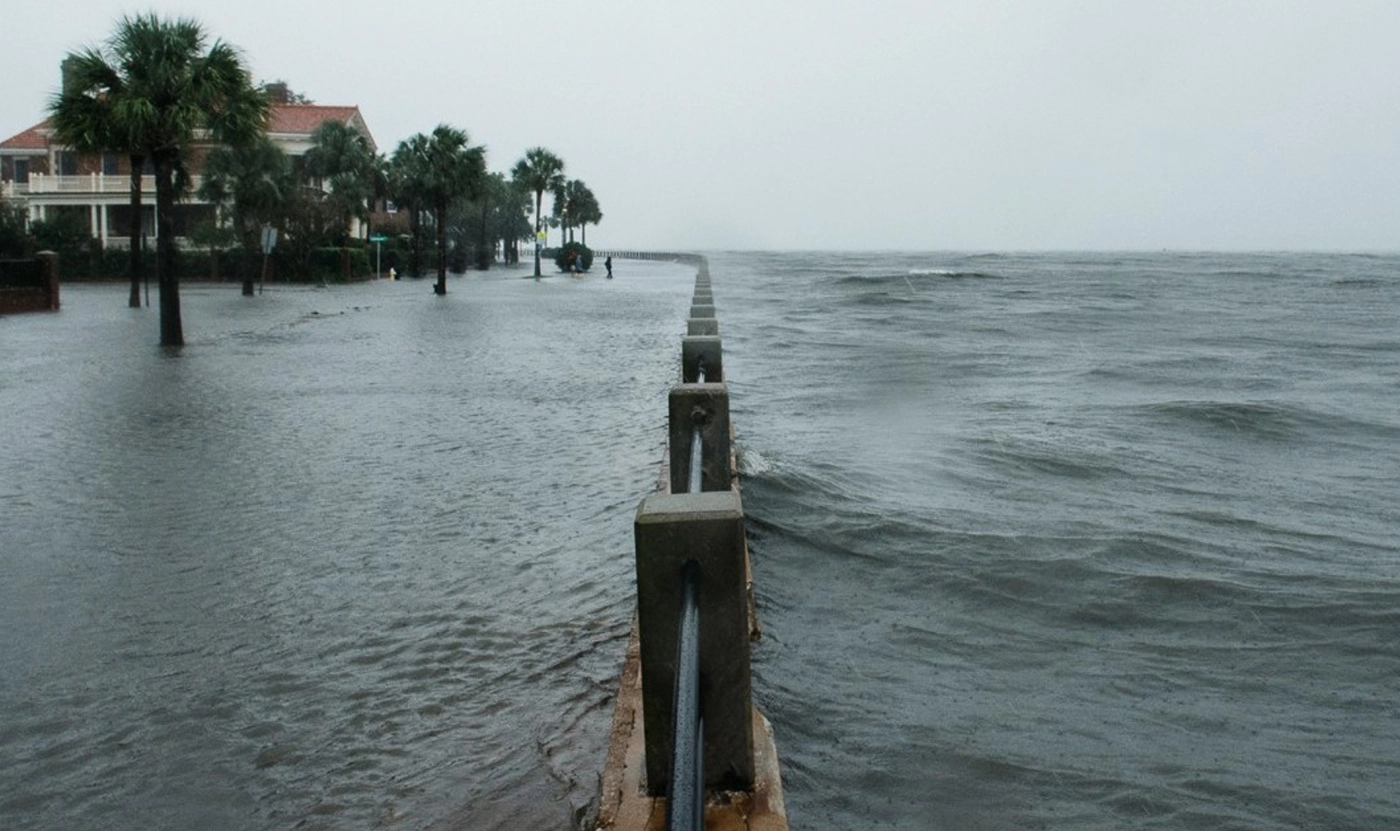
Hurricane season in Charleston runs from June 1 through November 30, with the greatest risk of landfall between mid-August and mid-October. That is a six-month window, which sounds alarming until you realize most of that window passes with nothing more than a humid afternoon and a thunderstorm that clears by dinner.
The reality is that the vast majority of summer and fall bookings in Charleston go off without any weather disruption at all. The season exists on the calendar far more often than it exists on the ground.
The Peak Risk Period
If you are looking at a specific window of higher caution, it is late August through early October. This is when tropical systems are most likely to form and track toward the Southeast coast. Trips booked in June, early July, or November fall well outside the highest-risk stretch.
What Happens When a Storm Enters the Forecast
This is the part most guests actually want to understand, and it is the part most rental companies bury in a cancellation policy nobody reads until they need it.
When a tropical system is being tracked toward the South Carolina coast, here is the realistic sequence of events. First, the National Hurricane Center issues advisories days in advance, giving everyone, including CHC and our guests, time to plan. Second, Charleston County may issue evacuation orders for specific zones, starting with the most vulnerable coastal areas. Third, if your travel dates fall during an active storm watch or evacuation order, CHC works directly with affected guests on rescheduling.
Charleston’s Evacuation Zones
Charleston County uses a lettered zone system, A through I, based on elevation and storm surge risk. Zone A covers the most exposed coastal and low-lying areas. Downtown Charleston has portions that fall within these higher-risk zones, alongside areas like Sullivan’s Island and Isle of Palms. In practice, this means downtown properties are sometimes included in evacuation orders during a major storm, even when the storm itself does not make direct landfall nearby.
This is not unique to vacation rentals. Hotels, residents, and businesses across the peninsula follow the same evacuation guidance.
How CHC Handles Bookings During Active Storm Threats
If your trip dates overlap with a declared evacuation order for your property’s zone, the standard approach is straightforward. Guests are not expected to stay through a mandatory evacuation, and CHC works with affected reservations to find a workable outcome, whether that is rescheduling to new dates or another resolution, depending on the situation.
What we cannot do, and what no rental company can honestly promise, is guarantee a full refund for trip cancellations made simply because a storm is somewhere in the Atlantic and might affect the Southeast in a week. Forecasts change constantly, and most tracked systems never reach Charleston at all.
Why Travel Insurance Is Worth Considering
This is the one piece of advice that shows up consistently across the industry, and it is worth repeating because it actually helps. Travel insurance can cover the uninhabitability of a vacation home caused by a natural disaster, and most policies need to be purchased before a storm is named to qualify for hurricane-related coverage.
If you are booking a Charleston trip for August, September, or early October, purchasing travel insurance at the time of booking, not after a storm appears in the forecast, is the single most useful step you can take. It costs relatively little, relative to the trip, and removes nearly all of the financial uncertainty.
How to Actually Track What's Coming
If you want to stay informed without doom-scrolling through Twitter for a week, there is a simple approach. Check the National Hurricane Center directly for official forecast tracks and advisories. These updates come out on a regular schedule and are far more reliable than secondhand social media posts.
Locals in Charleston tend to start paying attention once a system is named and tracking within about five to seven days of the coast, not before. Anything further out than that is statistical noise. If you are traveling within that window, checking once a day is plenty.
If You're Already in Charleston When a Storm Approaches
For guests already staying in one of our downtown Charleston vacation rentals, the most important thing is simply staying reachable. CHC communicates directly with guests if a property falls within an evacuation zone, and our team can help with information on inland routes, what to expect with road closures, and timing.
Charleston’s evacuation routes run primarily along I-26 toward Columbia, which during a declared evacuation can shift to one-way outbound traffic to move people off the peninsula more quickly. Knowing this in advance, even if you never need it, removes a lot of the panic if it does come up.
The Best Way to Plan Around Hurricane Season
If hurricane season makes you uneasy and you would rather avoid the conversation entirely, the practical move is to book outside the peak window. Late spring, specifically Charleston in March through May, sits well before the season ramps up and offers some of the city’s most pleasant weather.
If your travel dates are flexible, shifting a trip from September to early November still keeps you in good weather while moving past the statistical peak. Either way, a downtown vacation rental gives you flexibility that a non-refundable hotel package often does not, particularly when paired with travel insurance.
FAQ: Charleston Hurricane Season and Vacation Rentals
When is hurricane season in Charleston?
June 1 through November 30, with the highest risk of a storm affecting the coast between mid-August and mid-October.
Will my Charleston vacation rental be cancelled if there's a hurricane?
Only if a mandatory evacuation order is issued for the property’s zone during your stay. Most tracked storms do not reach this point.
Should I buy travel insurance for a Charleston trip in late summer?
If your trip falls within August through October, yes. Purchase it at the time of booking, since most policies require the storm to be unnamed at the time of purchase to qualify for coverage.
Is downtown Charleston in a hurricane evacuation zone?
Portions of downtown fall within Charleston County’s lettered evacuation zones, the same system used for the wider coastal area. Evacuation status depends on the specific storm and its projected path.
What's the best time to visit Charleston to avoid hurricane season entirely?
March through May falls before the season begins and offers some of the city’s best weather for a downtown stay.
Hurricane season is part of living near the coast, not a reason to avoid Charleston altogether. With the right information and a little planning, most trips go exactly as expected. Browse downtown Charleston vacation rentals for your dates, or reach out to the CHC team with any questions about timing your trip.